
Hailstorms are an intense weather phenomenon causing solid ice chunks to fall from thunderstorms.
Hail forms inside powerful cumulonimbus clouds through a process where raindrops freeze and circulate upward by strong winds.

These storms can produce varying sizes of hail, from tiny pellets to dangerous, large stones.
Hail is a type of precipitation, distinct from other forms like rain or snow.
Severe hailstorms can pose significant risks, damaging crops, vehicles, and buildings. The largest hailstones often cause the most harm, especially when people are caught outside without shelter.
Regions such as parts of South America experience frequent hailstorms due to specific climate factors.
Areas near northern Argentina, for instance, have a high frequency of such events due to orographic forcing combined with moisture from the Amazon. Understanding these factors helps predict and prepare for these severe weather occurrences.

Science of Hail Formation
Hail forms through complex interactions involving updrafts within cumulonimbus clouds and the freezing of supercooled water droplets.
Hailstones grow as they are repeatedly lifted by strong updrafts, resulting in the formation of layered balls of ice.
Updrafts and Formation Process
Hailstones develop within cumulonimbus clouds, which are thunderstorm clouds characterized by significant vertical development.
Inside these clouds, strong updrafts lift tiny ice crystals high into the atmosphere where temperatures are below freezing.
These ice crystals then collide with supercooled water droplets—liquid water that remains liquid even below freezing.
The collisions cause the supercooled droplets to freeze onto the ice crystals.
As the updrafts continue to lift the hailstones, they pass through areas of the cloud containing more supercooled water, adding additional layers of ice.
The strength of the updrafts determines how large the hailstones can become. When the updrafts can no longer support the weight of the hailstones, they fall to the ground.
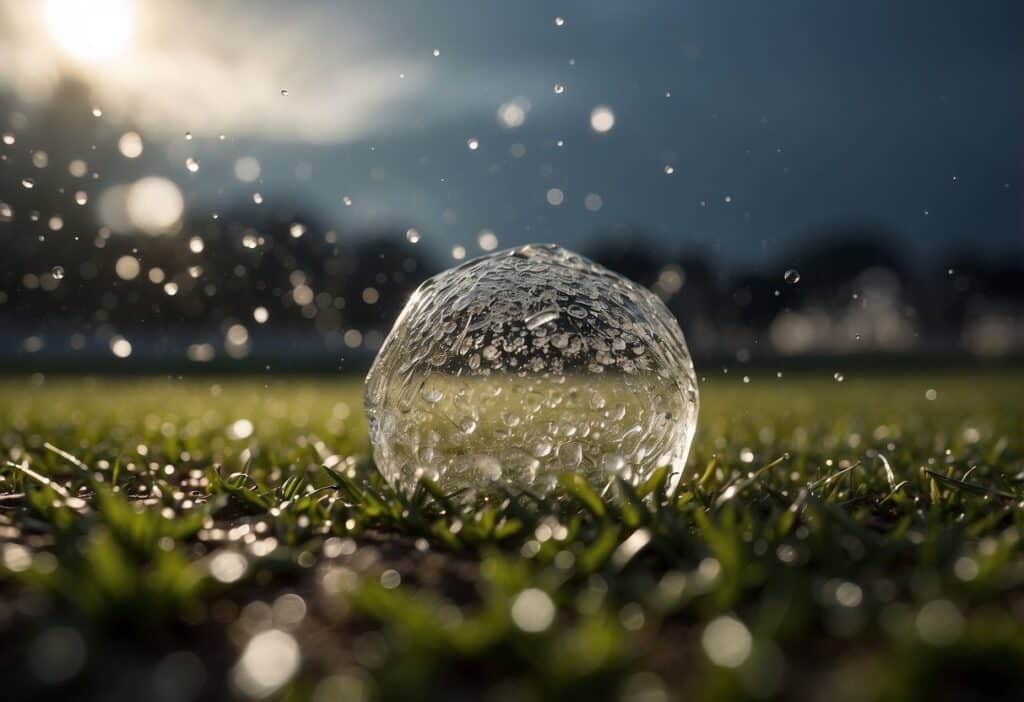
Characteristics of Hailstones
The structure of hailstones can vary greatly.
Severe hail often has layers, similar to an onion, which are formed as the hailstone ascends and descends in the cloud.
The layers are indicative of the number of times the hailstone has traveled through regions of freezing and non-freezing temperatures.
The diameter of hailstones can vary significantly, with the smallest being about 1/4 inch (about the size of a pea) and the largest hailstone on record measuring up to 8 inches in diameter, comparable to the size of a volleyball.
The size of a hailstone is affected by factors such as the duration it spends within the cloud and the intensity of the updrafts.
Hailstorm Characteristics and Measurement
Hailstorms are fascinating yet destructive weather events. This section explores how hailstorm severity is classified and the tools used for their detection and analysis.
Classifying Hailstorm Severity
The severity of hailstorms is determined by the size of the hailstones and the damage they cause.
The National Weather Service uses categories based on hailstone diameter measured in inches.
Hail smaller than 1 inch is considered less dangerous, while hail larger than 2 inches can cause significant damage to property and crops.
To describe hail size, people often use comparisons to objects like peas, marbles, or baseballs.
For instance, pea-sized hail is about 1/4 inch in diameter.
Using a ruler or tape measure provides the most accurate measurements, essential for reporting and studying hailstorm impacts.

Tools for Detection and Analysis
To analyze hailstorms, meteorologists rely on advanced tools and techniques.
Radar technology is vital for detecting hail within severe thunderstorms. It can identify the presence, size, and movement of hailstones, providing critical information during severe weather events.
Computer models simulate entire hailstorms, assessing air currents, temperature, precipitation, and hail distributions.
These models help researchers predict future hailstorm activities and improve forecasting.
The National Weather Service also uses ground-based observations, often from trained spotters and automated systems, to confirm hail reports.
In regions known as Hail Alley, where hailstorms are frequent, aircraft are sometimes employed to study hail characteristics directly.
These combined efforts enhance the accuracy and reliability of hailstorm analysis and forecast.
Impact of Hailstorms on Human Life and Environment
Hailstorms can cause significant damage to property and disrupt lives. They can also have serious economic impacts on communities and the environment.
Economic and Material Damage
Hailstorms are responsible for significant economic loss each year, particularly in the United States.
Damage to homes, cars, and crops is common. Hail can destroy roofs, break windows, and dent vehicles, resulting in high repair costs.
Insurance claims related to hailstorms reach billions of dollars annually.
Farmers face heavy losses as hailstorms can flatten crops and strip the leaves and bark from plants.
Livestock is also at risk during severe thunderstorms, often left injured or even killed by large hailstones. Businesses can experience interruptions due to damage to infrastructure and transportation networks.
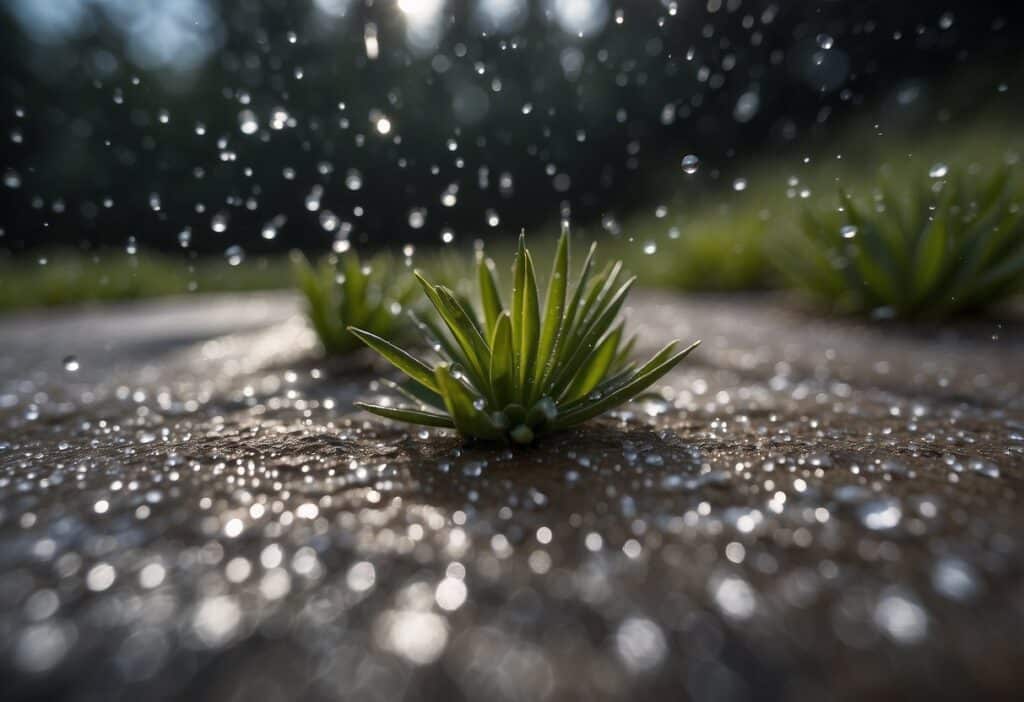
Safety and Preparedness
Personal safety during a hailstorm is crucial. Hailstones, especially large ones, can cause severe injuries if people are caught outside without shelter.
It’s important to stay indoors during a hailstorm and avoid windows. Vehicle safety is also a concern; moving cars into garages or covered areas can prevent damage.
Communities can prepare by setting up early warning systems and educating the public on safety measures. Awareness and preparedness can significantly reduce the impact of hailstorms on people and property.
Building materials designed to withstand hail and implementing better crop protection strategies can also mitigate hailstorm damage.